Languages in Word Battle
Pick a language lane for learning or climbing - every option uses its own valid word set.
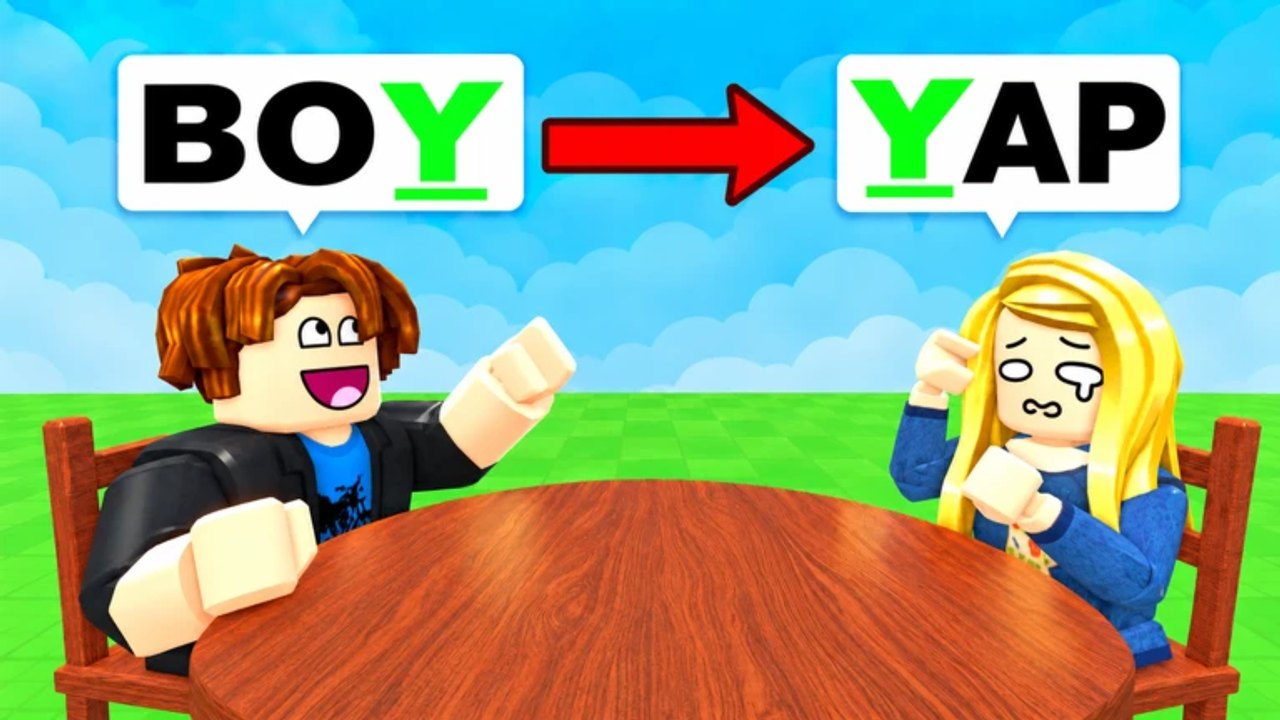
Word Battle! by Table IDK Games is not a single English dictionary with cosmetic translations. The Roblox beta supports multiple languages, and each language carries its own word set. Switching languages changes which strings count as valid answers, which letters feel hard, and how you should build Boost and drill habits. This guide explains how to think about language choice, when to learn versus when to climb, and how to avoid mid-match confusion.
Supported languages called out for the experience include English (EN), Portuguese (PT), Spanish (ES), German (DE), French (FR), Italian (IT), and Indonesian (ID). Always confirm the in-game selector for the latest list while the game remains in beta, and recheck Updates after larger patches.
Why language choice matters
In Word Battle, a round asks for a word that starts with a given letter. Validity is judged against the active language dictionary. A perfect English answer can fail if you are playing in French. A Portuguese everyday word may be rejected in English. Because matches also ban repeats inside the same game, your entire mental bank has to live inside one language lane for that session.
Chair elimination still follows the same three failures described in How to Play: wrong starting letter, repeated word, or timeout. Language does not soften those rules. It changes the answer key.
Rooms can hold up to twenty-five players. If the lobby mixes skill levels inside one language, speed and hard-letter prep still decide who stays seated. If you switch languages without rebuilding your ladders, you will Boost panic more often and fall earlier.
Switching languages cleanly
Before a serious Versus match:
- Open the language option in the experience UI.
- Select the language you intend to play for the whole session.
- Enter Solo and type five easy words plus three hard-letter words.
- Only queue Versus after those confirmations succeed.
Do not switch mid-match unless you are intentionally experimenting and accept the reset cost. Mid-match switches scramble your recall paths and waste Boosts. Treat language like a loadout: choose it in the lobby mindset, then commit.
If friends want a shared language, pick the one the weakest typist can actually spell under pressure. A “prestige” language nobody can type cleanly produces early chair falls and short matches.
Each language has its own word set
Memorize this sentence: shared letters, different dictionaries. The prompt might still be Q or M, but the legal responses change. That is why hard-letter lists are not universal.
Examples of how planning changes:
- English players often fear Q, X, Z, and J and build ladders around queen, xenon, zebra, and jacket.
- Romance-language lanes may shift which onsets feel rare, and accent-related typing habits can matter on some devices.
- German compound-friendly intuition does not automatically help if you are suddenly in Indonesian or English.
- Indonesian or Italian banks you learned in school may be incomplete for timer play; Solo-test everything.
Use the Hard Letters guide as a method, not as a permanent English-only list. Rebuild instant, backup, and deep tiers per language. Store keepers in your Word Bank tagged by language so you do not mix lanes.
Which language to pick for learning
Pick a learning language when your goal is vocabulary growth or school support rather than immediate leaderboard rank.
Good learning setup
- Choose the language you want to improve.
- Play Solo first for ten focused minutes.
- Accept shorter Versus sessions as practice, not as ego checks.
- Keep a notes file of rejected spellings and surprising accepts.
- Use Boosts as study runway on hard letters, then replace those Boosts with memorized words over time.
Learning pitfalls
- Jumping straight into a full twenty-five player Versus lobby in a language you cannot type quickly.
- Mixing English backups while the selector is set elsewhere.
- Judging yourself by leaderboard place during the first week of a new language.
Solo mode exists for this exact job. Compare practice versus race goals on Solo vs Versus.
Which language to pick for climbing
Pick a climbing language when your goal is deep lobby survival and leaderboard progress.
Climbing criteria
- Typing speed - the language you can input fastest on your device.
- Spelling confidence - the language where you rarely second-guess endings.
- Hard-letter coverage - the language where your Q/X/Z/J (or local traps) ladders are warm.
- Lobby familiarity - the language where you recognize common burns and can jump ladders instantly.
For many players, that climbing language is the one they use every day at school or work, even if they are casually bilingual. Bilingual flex is useful only after both lanes have Solo-tested banks. Until then, one strong lane beats two weak ones.
Boost conservation still applies. In your climbing language, save Boosts for true traps and panic timers, as detailed on Boosts. Fancy words in a second language are not worth an early fall.
Device and input considerations
Mobile players should prefer languages whose critical words fit comfortable touch typing. Special characters or unfamiliar layouts increase mistype risk under a short timer. Desktop players with proper keyboard layouts can support more languages, but layout switching mid-session is dangerous.
If your physical keyboard is English-only and you are climbing in a language that needs accents, decide beforehand how the game expects those characters. Solo-test accented forms. If the dictionary accepts unaccented fallbacks, know that. If it does not, practice the exact input method before Versus.
Practical weekly plan
- Main climb days: one language only. Warm up in Solo, play Versus, note failures, stop.
- Learning days: second language in Solo only, optional one low-stakes Versus match.
- Review day: move surviving words into your bank, update hard-letter ladders, skim the Tier List for difficulty priorities in your climb language.
New players should still complete Getting Started in their primary language before optimizing bilingual routes.
Common language mistakes
- Assuming an English word works everywhere.
- Switching languages after every elimination instead of drilling the failure letter.
- Building one Boost plan and ignoring that hard letters change by dictionary.
- Climbing in a prestige language you cannot spell at speed.
- Never rechecking acceptance after beta dictionary updates.
Word Battle’s language system is a feature, not a skin. Treat each option as a separate puzzle box sharing the same chair-elimination rules. Learn in the language you want to grow. Climb in the language you can type under fire. Confirm words in Solo, conserve Boosts for the real traps in that lane, and keep your banks separated so a French match never steals an English answer you no longer have time to replace.
Frequently Asked Questions
Quick answers to the most common Word Battle questions.
Which languages does Word Battle support?
The experience lists English, Portuguese, Spanish, German, French, Italian, and Indonesian. Confirm the live selector in-game while the beta updates.
Does each language use the same words?
No. Each language has its own word set. A valid English answer can be rejected if another language is active.
Should I learn or climb in my second language?
Use Solo and low-stakes matches to learn a second language. Climb leaderboards in the language you can type and spell fastest under pressure.
Can I switch languages during a match?
You can experiment, but it usually hurts recall and Boost planning. Choose a language before serious Versus sessions and commit.
Do hard letters change when I switch languages?
Yes. Rebuild your hard-letter ladders per language and Solo-test spellings instead of copying an English-only list.